Shared kitchen lines in condo buildings
Multiple units feeding into one branch line before it reaches the main stack means buildup from several kitchens compounds faster than a single-family line would see on its own.
Dispatch online, 24/7
Scheduled maintenance on a line before it backs up, using the same cable or light jetting equipment that would otherwise be run on an emergency call.
What is drain cleaning if a line is not clogged yet?
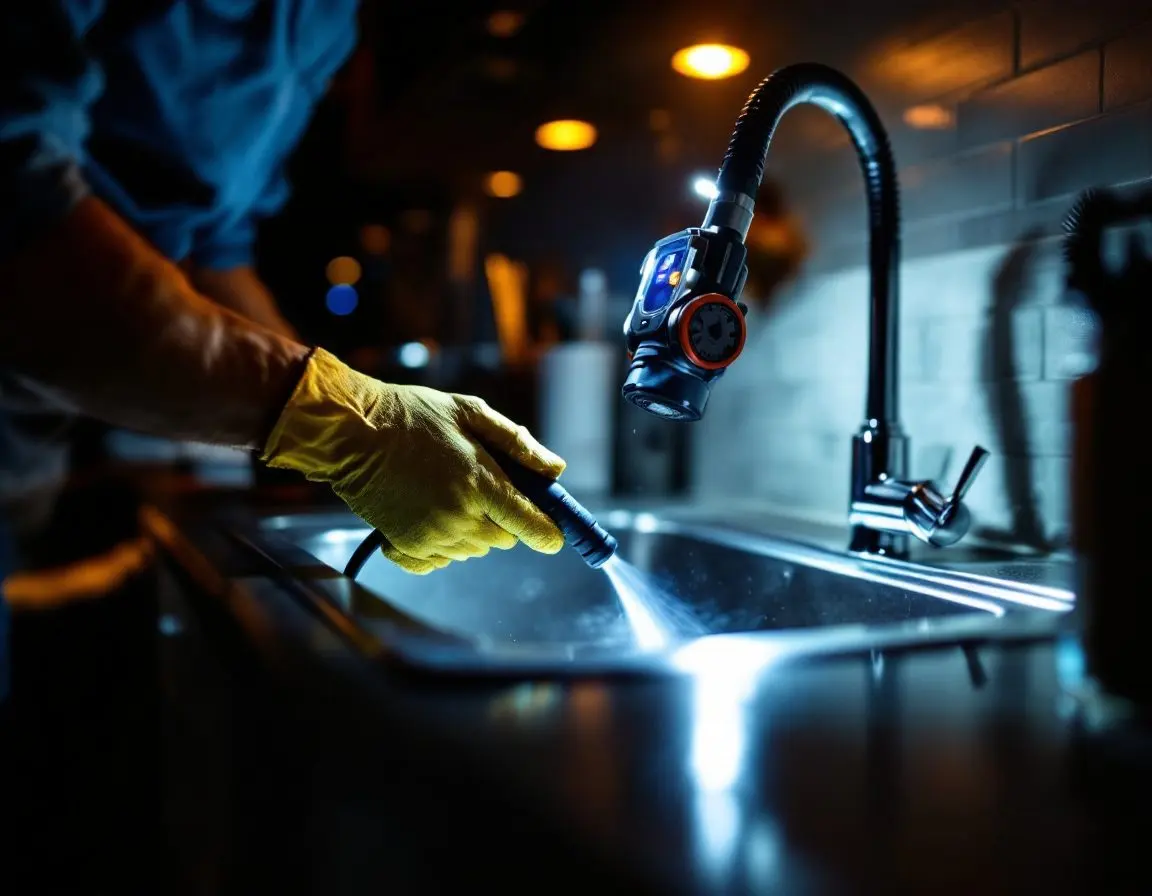
Drain cleaning is the maintenance version of clearing a line: a cable or light jetting pass removes grease, scale, and buildup before it narrows the pipe enough to cause a backup. It is the same equipment used on an active clog, run on a schedule instead of in response to one.
Kitchen lines, laundry lines, and any drain serving a building with heavy or shared use benefit most from this, since buildup accumulates faster with more frequent use. A property manager scheduling this ahead of a busy season is a common reason this gets booked rather than an emergency call.
This is not the same visit as an inspection. A camera can be added to confirm a line’s condition, but a standard cleaning pass does not require one on its own, and most properties on a maintenance schedule only need one every year or two.
Signs worth a call
A drain does not need to be clogged for cleaning to be worthwhile.
A gradual dip in speed spread across several drains rather than a single line acting up.
Grease and soap residue building up along the pipe walls before it becomes a full blockage.
A quick check with a light showing scale or grease already coating the pipe’s interior.
Kitchen and shared lines are typically due again after twelve to twenty-four months of regular use.
A common point at which a property manager schedules a check on shared lines before the next occupant moves in.

Working in this area
A few facts about the buildings and pipe eras in this coverage area shape how this gets scheduled.
Multiple units feeding into one branch line before it reaches the main stack means buildup from several kitchens compounds faster than a single-family line would see on its own.
Homes from the cast-iron era hold interior scale differently than PVC does, so a maintenance pass on an older line does more work than the same pass would on newer piping installed within the last two decades.
Rental and HOA properties across the coverage area often book this work before their busiest occupancy months rather than waiting for the first complaint to come in from a tenant or resident.
From the profile
Straight from this brand’s own Google Business Profile.
This copper basement pipe leaked slightly. After replacing the broken part, the plumber checked the joints for wear. Clean repair, no dampness.
The plumber replaced the old shutoff valve with a new one because the old one was getting hard to use. He put the new valve in a place that makes it easy to get to in an emergency. He made sure everything worked before he finished the job.
We required plumbing hookups for a new outdoor sink. Careful planning and weatherproofing were hallmarks of the technician's work on the supply and drainage lines. Everything is neat and functional now.
Before you call
It depends on use, but a kitchen or shared line typically benefits from a pass every twelve to twenty-four months.
Similar equipment, different purpose. This is scheduled maintenance on a line that is not backed up yet.
Yes, property managers commonly book multiple units or shared lines in a single visit.
Often, yes. A slow line is frequently the reason this gets booked in the first place.
Call to set up a schedule that fits your property and its actual usage pattern; the line can talk through a recurring visit that works for you.
Related
Dispatch is open
Call now and the line routes you to a plumber covering your area, any hour.
There is no obligation to book. If water is actively running right now, phoning the dispatch line gets a faster response than this form.